
Roof types · Materials
Architectural asphalt shingles in Florida
An educational guide to architectural (laminate) asphalt shingles in Florida: installation under the FBC, lifespan estimates, wind and insurance notes, maintenance, and cited national cost ranges.
All Florida roof types · Educational guide, not a bid or a specification.
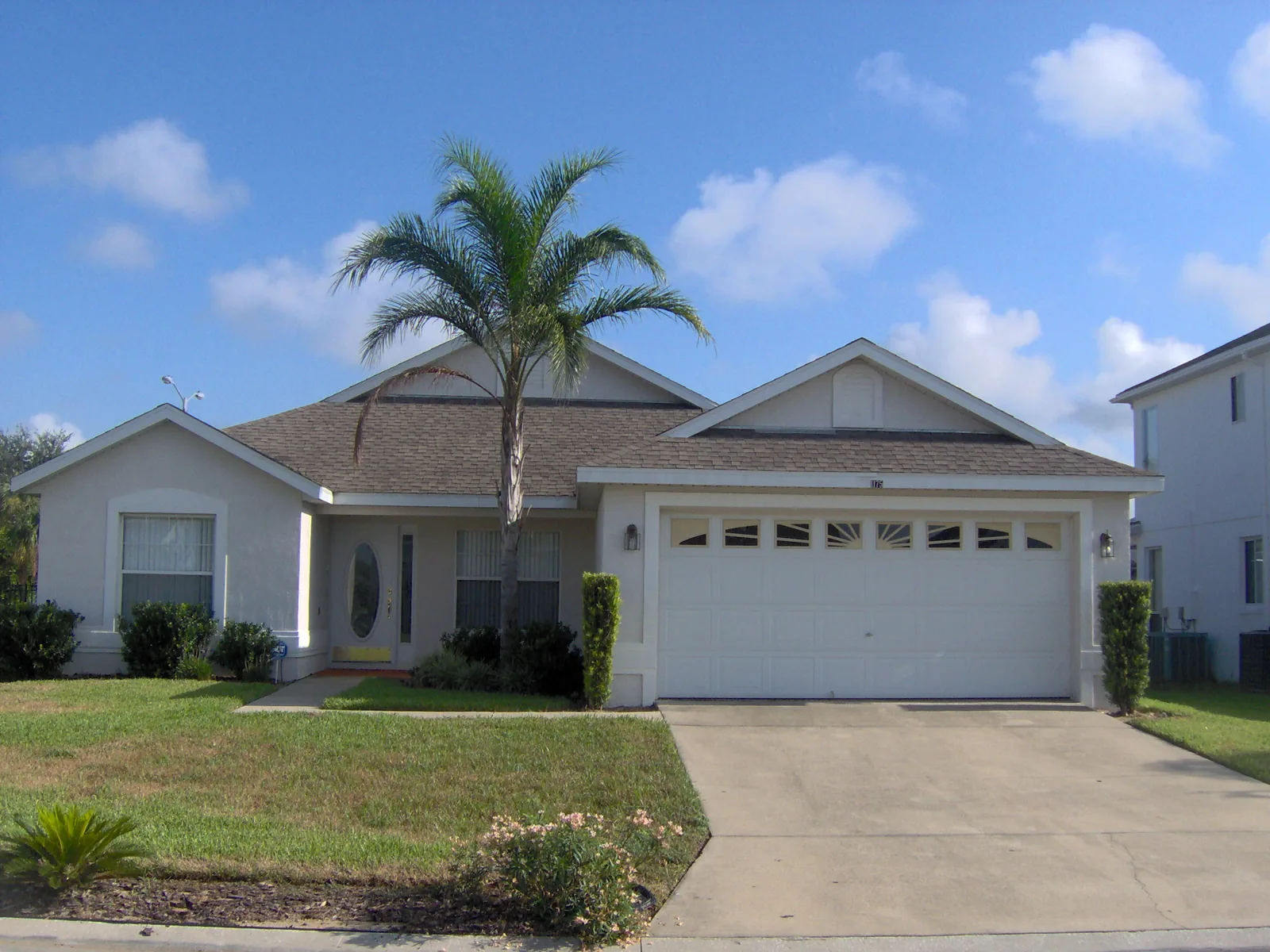
Architectural asphalt shingles — also called laminate or dimensional shingles — are the covering many Treasure Coast houses already have and the one many owners replace with. They are thicker than three-tab shingles, with a layered profile, and they are sold as a tested system: shingles, starter, hips and ridges, underlayment, drip edge, and fasteners.
This page explains the material. It is not a contractor’s specification. For quotes, use our asphalt shingle roofing and roof replacement matching pages.
A closer look
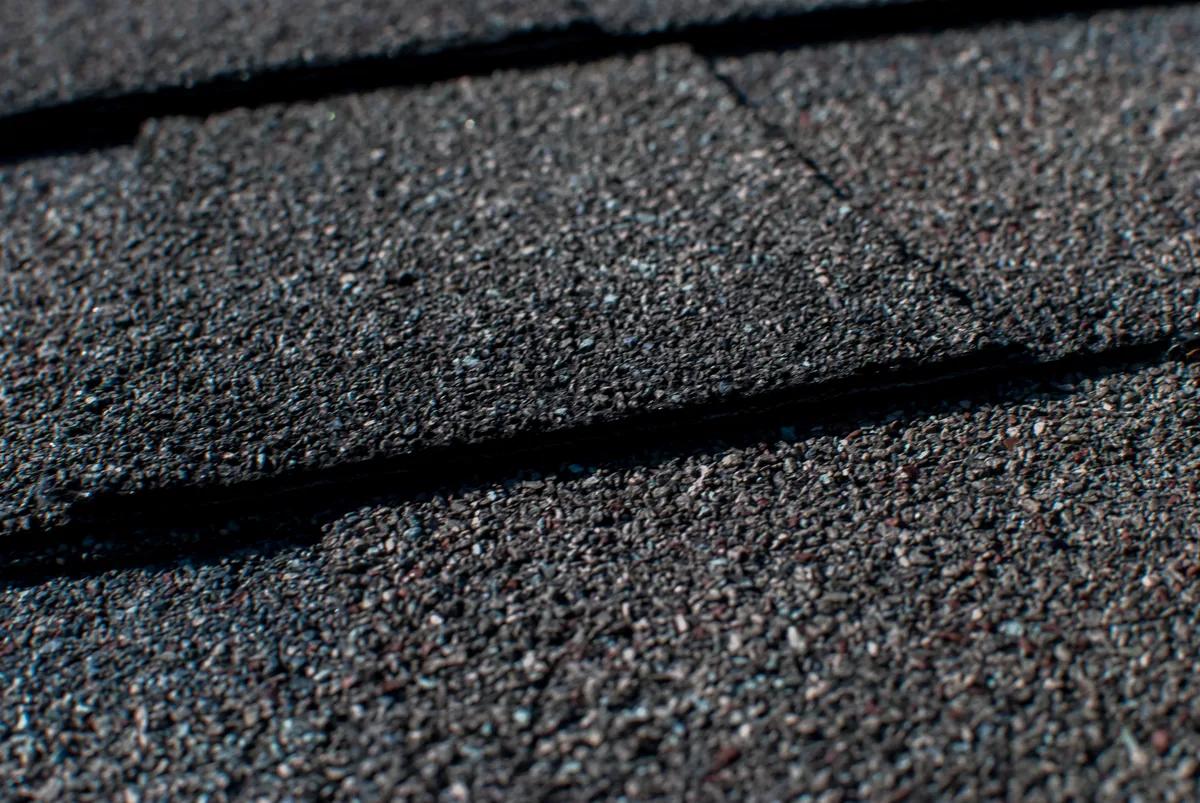
What they are
An architectural shingle is a fiberglass-mat asphalt shingle with more than one laminated layer. Wind resistance still comes from the tested assembly — nailing pattern, sealant strip, starter course, edge metal, and underlayment — not from the word “architectural” on a bundle.
Colors and granule types vary. In Florida’s sun, darker shingles run hotter, which can affect attic temperatures and asphalt aging, but energy performance depends on the whole roof and its ventilation.
How they are installed in Florida
A complete steep-slope reroof usually includes a full tear-off so the deck can be inspected and fastened, then underlayment (often a synthetic, plus self-adhered membrane at eaves, valleys, and penetrations, or a self-adhered secondary water barrier across the field), drip edge, starter course, field shingles nailed to the pattern in the Florida Product Approval, and hip or ridge caps. Overlays that hide the deck are often a poor fit for a wind-designed reroof and may not be allowed.
Fastener type, length, and location — including any special zones at eaves, rakes, and ridges — have to match the approval for the site’s pressures.
Lifespan in South Florida heat and salt air
Manufacturer “year” labels are warranty marketing, not a Florida performance guarantee. Heat, UV, salt air, installation quality, ventilation, and storms all matter. InterNACHI publishes a Florida-specific estimated life expectancy chart that is shorter than many national charts for several coverings; those figures are planning estimates, not warranties, and they can be shorter still after a major storm or a poor installation.
InterNACHI’s estimated life expectancy chart for Florida homes lists architectural asphalt shingles at 15 to 20 years. Angi's 2026 national guide describes asphalt shingle roofs as commonly lasting about 15 to 30 years depending on the product and care. The gap is a reminder that national ranges are not a Port St. Lucie forecast. Heat, UV, salt air, and wind at edges all matter.
Hurricane and wind performance
Shingles can unseal, tear, or lose tabs, especially at edges, corners, and ridges. A heavier laminate does not remove the need for the tested nailing pattern and edge metal. After a storm, look for creasing, missing tabs, lifted edges, and for underlayment or deck damage — a more serious issue.
The Insurance Institute for Business & Home Safety’s Hurricane Harvey wind-damage investigation found that, among the roofs it assessed, roof shape did not cause much variation in roof-cover damage rates, but gable roofs had higher rates of underlayment and decking damage than hip or gable/hip combination roofs. Covering choice and roof shape are related questions, not the same question.
Maintenance and common problems
Have the roof looked at after major storms and at regular intervals. Typical problems include granule loss, cracked or curled tabs, failed pipe boots, rusted drip edge, clogged valleys, and poor attic ventilation. Walking the roof carelessly can break seals. Color mismatch is common when a few shingles are replaced on a sun-faded field.
Pros and cons
Pros: widely available, familiar to most steep-slope crews, relatively light compared with concrete tile, and usually the lower first-cost covering among common Florida options. Cons: shorter planning life in Florida heat than tile or a well-detailed metal roof; UV and wind wear; and a “30-year” label that is not a local guarantee.
Florida Building Code, wind, and product approval
The Florida Building Code, 8th Edition (2023), is the statewide code path here. The High-Velocity Hurricane Zone in that code is Miami-Dade and Broward Counties only. Port St. Lucie, the rest of St. Lucie County, Martin County, Indian River County, and Palm Beach County are outside the HVHZ, but they remain in a hurricane-prone region, and many addresses fall in the wind-borne debris region on the code’s maps (Figure 1609.3(1) for ordinary Risk Category II buildings, as published with the University of Florida GeoPlan Center map set).
A covering, underlayment, and fastener or clip system should be a Florida Product Approval assembly that matches the design pressures at the address, not a generic product name. The local building official decides what is acceptable on the permit. This educational page does not assign a wind speed to a lot; that comes from the code maps, a design professional, or the ASCE Wind Design Geodatabase.
For architectural asphalt shingles, the tested assembly — not a marketing name — is what the official will look at.
Permits on the Treasure Coast
In the City of Port St. Lucie, a replacement typically needs a roof permit from the Building Department, which publishes a roof-replacement application, a re-roof checklist, and an e-permitting portal for registered licensed contractors. Unincorporated St. Lucie County, including River Park, uses the county’s Planning and Development Services office. Martin County publishes roof requirements and treats new roofs, roof repairs, and aluminum roofs as permitted work — confirm the current rule on the county’s official pages. Other cities and towns have their own officials. Roofing Port St. Lucie does not pull permits.
The contractor you hire should pull the permit for a architectural asphalt shingles project from the official who has the parcel.
Insurance, roof age, and wind mitigation
On homeowners’ policies issued or renewed on or after July 1, 2022, Fla. Stat. § 627.7011(5) limits refusals that are based solely on roof age (including a path for a homeowner-paid inspection showing at least five years of useful life on a roof 15 years or older). Insurers may still underwrite for condition and other lawful reasons. A wind-mitigation inspection can document covering type, roof shape, roof-to-wall connections, deck attachment, and secondary water resistance; only your insurer can say what that documentation is worth. This site does not complete those forms or give insurance advice.
The My Safe Florida Home program (Fla. Stat. § 215.5586) can include roof-related grant items such as stronger roof-to-wall connections, improved deck attachment, and secondary water resistance with a covering replacement, but only for applicants who meet the statutory and program rules then in force. Confirm current eligibility at mysafeflhome.com. An inspection is not a grant.
A architectural asphalt shingles roof can be described on a mitigation form only as it actually exists. This page is not a discount calculator.
Cost drivers, with national ranges
This site does not publish a Port St. Lucie average price. For national context only, Angi reported in its 2026 cost guide (updated October 22, 2026, based on 32,999 verified projects) a U.S. average roof replacement of $9,611, with most homeowners paying $5,903 to $13,380, and a typical range of about $4 to $11 per square foot of roof surface. Angi also published broad installed national ranges of about $5,800–$20,000 for asphalt shingles, $5,700–$25,000 for metal, and $8,500–$26,400 for tile, and permit fees often $100–$1,400 depending on the city. Those figures are nationwide survey results, not Treasure Coast bids.
Angi grouped asphalt shingles in a national installed range of about $5,800–$20,000. Tear-off, deck repairs, and underlayment choice still move a local job.
How to use this page
This page is educational. It is not a specification, a bid, or a claim that Roofing Port St. Lucie installs roofs. We are a free matching service. For quotes, use the matching service pages linked below and the form on this page.
Comparison
| Topic | Architectural shingles | Three-tab shingles | Concrete tile |
|---|---|---|---|
| What it is | Laminated asphalt shingle | Single-layer asphalt shingle | Concrete cap over underlayment |
| InterNACHI Florida life estimate | 15–20 years | 10–12 years | 80+ years for the tile covering; underlayment often fails sooner |
| Angi 2026 national installed context | Asphalt shingles about $5,800–$20,000 | Included in the asphalt band; not separately stated | Tile about $8,500–$26,400 |
| Typical slope | Steep slope | Steep slope | Steep slope; structure must accept the weight |
Matching service pages
This type page does not take the place of our service pages, which are where you request quotes:
Related roof types
Questions
01.Are architectural shingles required in Port St. Lucie?+–
No. The official requires an approved assembly for the site, not a particular marketing category. Architectural shingles are simply the usual replacement product on houses here.
02.Does a “30-year shingle” last 30 years in Florida?+–
Not as a promise. InterNACHI’s Florida chart estimates 15–20 years for architectural shingles. Judge the roof by condition, installation, and the approval, not by the number on the wrapper.
03.Do I need a self-adhered underlayment?+–
Many Florida reroofs use one, and secondary water resistance is also a My Safe Florida Home grant item when program rules are met. Whether it is required on your permit depends on the official. Ask the roofer to name the product.
04.Where do I request quotes?+–
Use our asphalt shingle roofing or roof replacement matching pages and the form on this page. This educational page is not a bid.
Sources
- Florida Building Commission, Florida Building Code, 8th Edition (2023)
- University of Florida GeoPlan Center, Florida Building Code 8th Edition (2023) wind-speed maps, including Figure 1609.3(1) for Risk Category II buildings
- Florida Building Commission, Product Approval search
- City of Port St. Lucie Building Department, Building Permits: Applications, Fees and Checklists
- St. Lucie County Planning and Development Services, Permit Applications
- Martin County, Apply for a Building Permit
- Martin County, Roof Requirements
- Fla. Stat. § 627.7011 (2025), Homeowners’ policies; offer of replacement cost coverage and law and ordinance coverage
- Fla. Stat. § 215.5586, My Safe Florida Home Program
- My Safe Florida Home program, Florida Department of Financial Services
- Angi, “How Much Does Roof Replacement Cost? [2026 Data],” updated Oct. 22, 2026 (national averages from 32,999 verified projects)
- InterNACHI, Estimated Life Expectancy Chart for Florida Homes (roofing table)
- Insurance Institute for Business & Home Safety, Hurricane Harvey Wind Damage Investigation (2018)
- FEMA P-2181, Hurricane and Flood Mitigation Handbook for Public Facilities, Fact Sheet 3.3.1: Roof Systems—Sloped Roofs
- U.S. Department of Energy, Building America Solution Center, “Hip Roof vs Gable Roof,” citing wind-tunnel studies including Meecham (1992) and Shao et al. (2018)
- Florida Department of Business and Professional Regulation, license search
Photo credits
- Photo: Amrican house by מתניה (Matanya), CC BY-SA 3.0, via Wikimedia Commons. Wikimedia Commons · CC BY-SA 3.0
- Photo: Asphalt Shingles Texture DTXR-ST-AP-1 by Shadowmeld Photography, CC BY-SA 4.0, via Wikimedia Commons. Wikimedia Commons · CC BY-SA 4.0
Back to the roof types hub.