
Guides
Florida roof types: materials and shapes
These pages explain the coverings and shapes you are likely to see on Treasure Coast houses and small commercial buildings. They are educational, not bids. For quotes, use the matching service pages linked from each type and the form on this page.
Port St. Lucie and nearby cities sit outside the Florida Building Code’s High-Velocity Hurricane Zone (Miami-Dade and Broward only) but still in a hurricane-prone, often wind-borne-debris region. A roof type is not a substitute for a Florida Product Approval that matches the design pressures at the address. Lifespan figures below come from InterNACHI’s estimated life expectancy chart for Florida homes unless noted; they are planning estimates, not warranties. Cost context comes from Angi's 2026 national guide and is not a local bid.
Roof materials
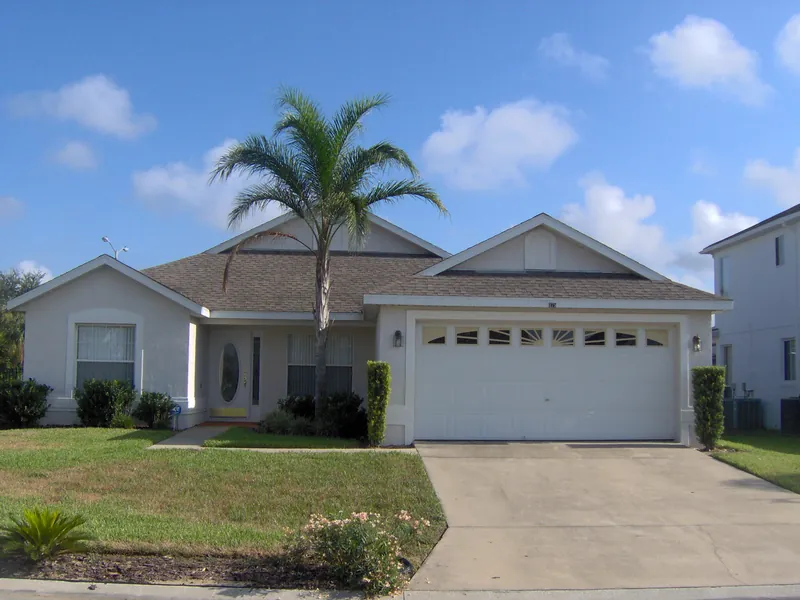
Architectural asphalt shingles
Steep-slope covering.
Architectural shingles →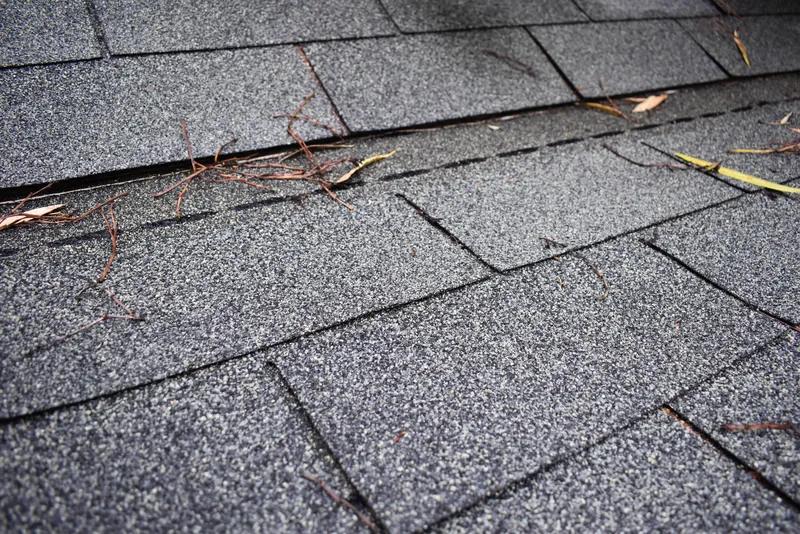
Three-tab asphalt shingles
Steep-slope covering.
Three-tab shingles →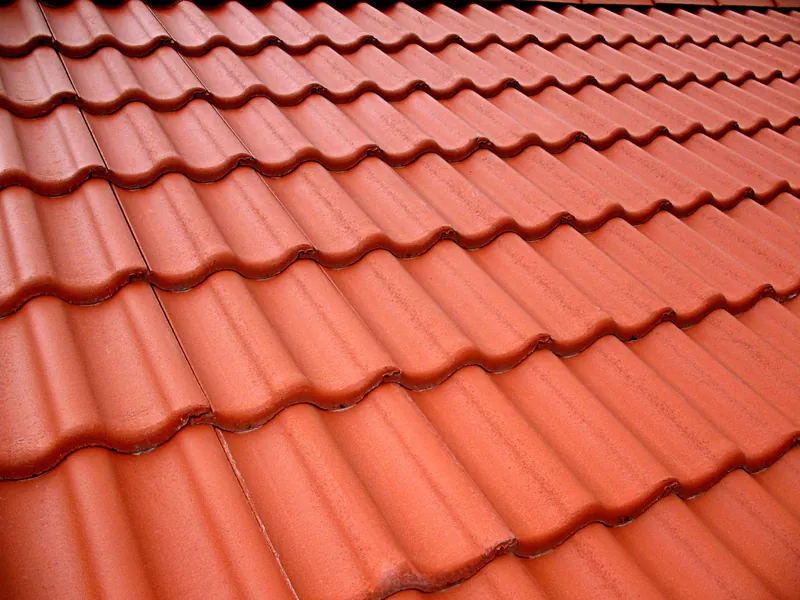
Concrete tile roofs
Steep-slope covering.
Concrete tile →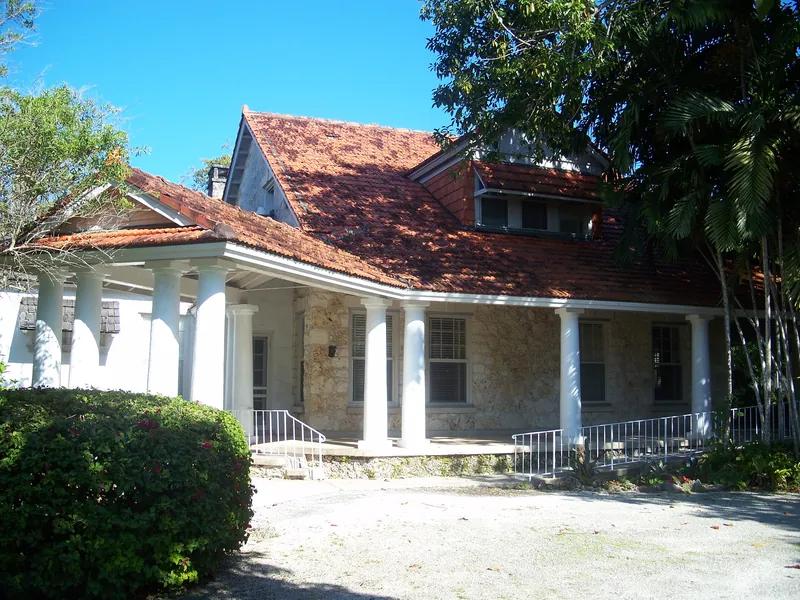
Clay tile roofs
Steep-slope covering.
Clay tile →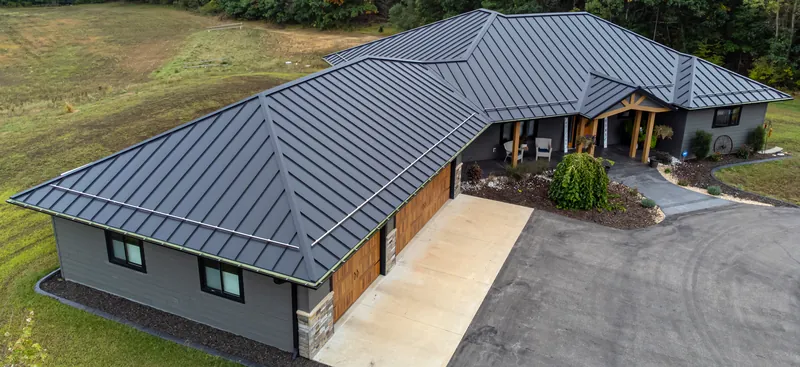
Standing-seam metal roofs
Steep-slope covering.
Standing seam →- 5V-crimp
5V-crimp metal roofs
Steep-slope covering.
5V-crimp → 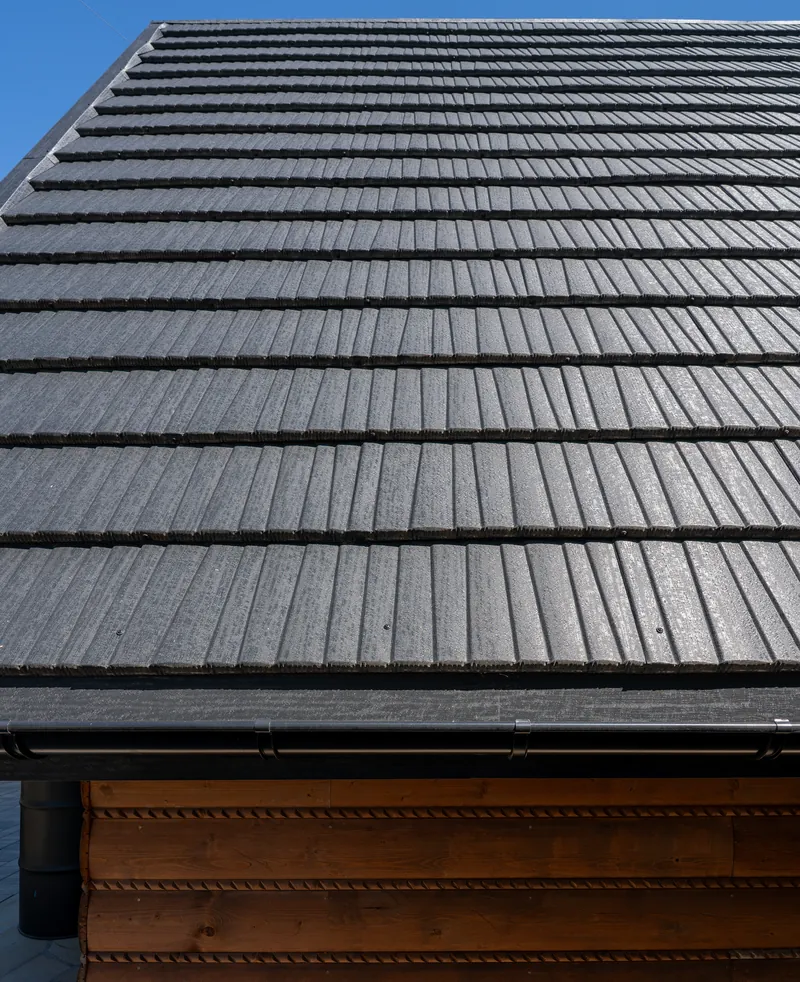
Metal shingles and stone-coated steel
Steep-slope covering.
Metal shingles →- TPO
TPO roofing
Low-slope system.
TPO → 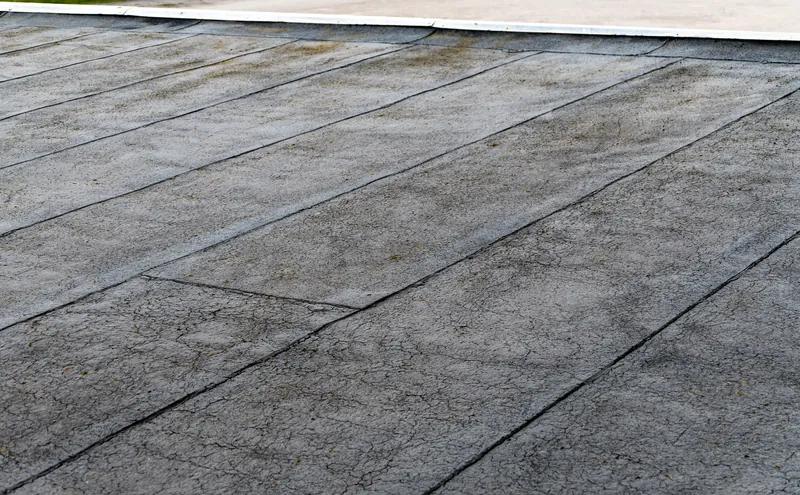
Modified bitumen roofs
Low-slope system.
Modified bitumen →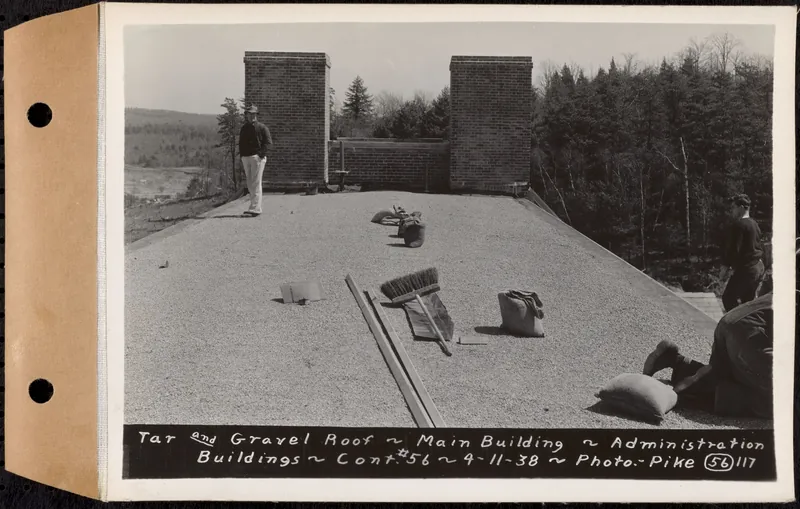
Built-up roofing (BUR)
Low-slope system.
Built-up roofing →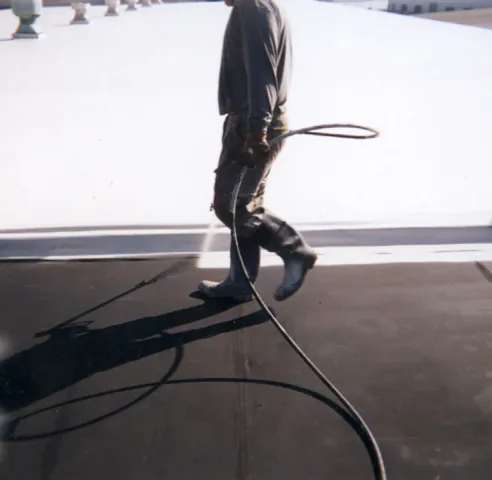
Roof coatings
Low-slope system.
Roof coatings →
| Type | Category | InterNACHI Florida life estimate | Angi 2026 national cost context |
|---|---|---|---|
| Architectural asphalt shingles | Steep-slope covering | 15–20 years (InterNACHI Florida chart) | Asphalt shingles, about $5,800–$20,000 installed nationally (Angi 2026). |
| Three-tab asphalt shingles | Steep-slope covering | 10–12 years (InterNACHI Florida chart) | Included in Angi 2026’s asphalt-shingle national band (about $5,800–$20,000); not separately stated. |
| Concrete tile roofs | Steep-slope covering | 80+ years for clay/concrete tile covering (InterNACHI Florida chart); underlayment often governs system life. | Tile, about $8,500–$26,400 installed nationally (Angi 2026). |
| Clay tile roofs | Steep-slope covering | 80+ years for clay/concrete tile covering (InterNACHI Florida chart); underlayment often governs system life. | Included in Angi 2026’s tile national band (about $8,500–$26,400); clay is not separately stated. |
| Standing-seam metal roofs | Steep-slope covering | Metal, 17–20 years on InterNACHI’s Florida chart (see note on the page about how that line is read). | Metal, about $5,700–$25,000 installed nationally (Angi 2026). Angi also describes metal roofs as commonly lasting 30–100 years in a national discussion — a wider band than InterNACHI’s Florida metal line. |
| 5V-crimp metal roofs | Steep-slope covering | Metal, 17–20 years on InterNACHI’s Florida chart (see the standing-seam page note; 5V is not separately listed). | Included in Angi 2026’s metal national band (about $5,700–$25,000); 5V-crimp is not separately stated. |
| Metal shingles and stone-coated steel | Steep-slope covering | Not separately listed on InterNACHI’s Florida roofing table; do not borrow the clay/concrete 80+ figure or the generic metal line without reading the product’s own terms. | Angi’s 2026 guide publishes a metal band (about $5,700–$25,000) and a tile band; it does not isolate stone-coated steel. |
| TPO roofing | Low-slope system | 10–12 years (InterNACHI Florida chart). | Not separately stated in Angi 2026’s material table; use the overall national replacement context and local written estimates. |
| Modified bitumen roofs | Low-slope system | 10 years (InterNACHI Florida chart). | Not separately stated in Angi 2026’s material table; use the overall national context and local written estimates. |
| Built-up roofing (BUR) | Low-slope system | 5–15 years (InterNACHI Florida chart). | Not separately stated in Angi 2026’s material table; use the overall national context and local written estimates. |
| Roof coatings | Low-slope system | Aluminum coating, 2–6 years (InterNACHI Florida chart). Other coating chemistries are not separately listed there. | Not separately stated in Angi 2026’s material table; a coating is often priced as maintenance, not as a full replacement. |
Tile life on the InterNACHI chart is the covering, not necessarily the underlayment. Metal on that Florida chart is a short line (17–20 years) that differs from broader national metal-roof discussions in Angi; those differences are explained on the metal type pages rather than averaged here.
Roof shapes
Shape is independent of covering. A hip or a gable can be shingled, tiled, or metal. Wind-tunnel work cited by the U.S. Department of Energy’s Building America Solution Center, FEMA’s sloped-roof fact sheet in P-2181, and IBHS’s Hurricane Harvey investigation all discuss why hip geometry and gable-end bracing matter. Those sources are quoted on the shape pages. We do not invent insurance discounts.


Matching service pages
If you want quotes, start at the commercial service pages: asphalt shingles, concrete tile, metal, standing seam, 5V-crimp, flat roofing, or roof replacement. The hiring guide covers licenses and permits.
Sources
- Florida Building Commission, Florida Building Code, 8th Edition (2023)
- InterNACHI, Estimated Life Expectancy Chart for Florida Homes (roofing table)
- Angi, “How Much Does Roof Replacement Cost? [2026 Data],” updated Oct. 22, 2026 (national averages from 32,999 verified projects)
- Insurance Institute for Business & Home Safety, Hurricane Harvey Wind Damage Investigation (2018)
- FEMA P-2181, Hurricane and Flood Mitigation Handbook for Public Facilities, Fact Sheet 3.3.1: Roof Systems—Sloped Roofs
- U.S. Department of Energy, Building America Solution Center, “Hip Roof vs Gable Roof,” citing wind-tunnel studies including Meecham (1992) and Shao et al. (2018)
- Fla. Stat. § 627.7011 (2025), Homeowners’ policies; offer of replacement cost coverage and law and ordinance coverage
- Fla. Stat. § 215.5586, My Safe Florida Home Program
- Florida Building Commission, Product Approval search